
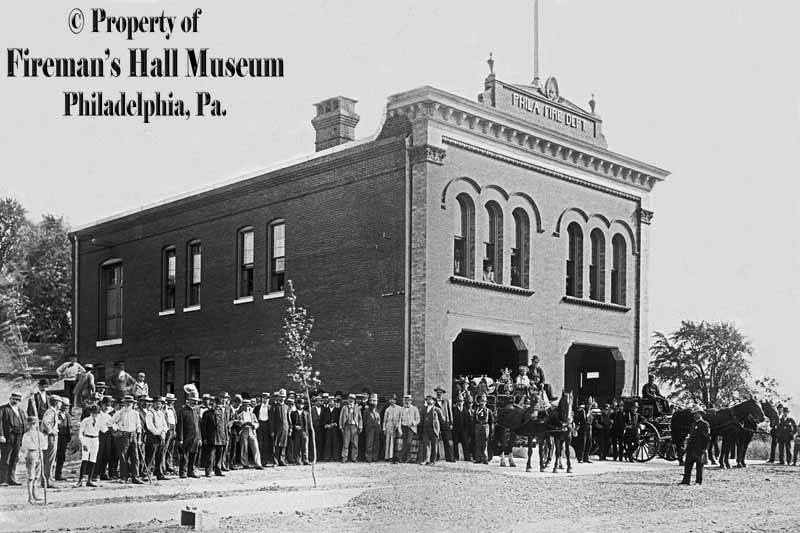
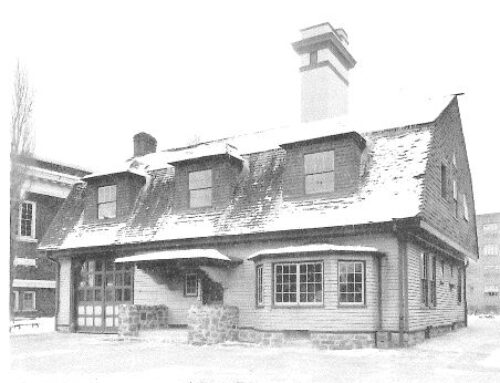
Chemical 5 was organized September 5, 1895 at 7595 A Street in Fox Chase. The firehouse was built by R.Y. Filbert, Esquire, an area resident, who donated the building to the city. The company was assigned a crew of four firemen. Mr. Filbert and his neighbors also purchased a ladder truck at a cost of $1,300.00. The ladder truck belonged to the volunteer firemen of the Pennsylvania Fire Company of Fox Chase and Rockledge. This unique arrangement of a volunteer fire company responding from a Philadelphia Bureau of Fire station lasted until March 1903. At that time, the Pennsylvania Fire Company disbanded, and the Rockledge Volunteer Fire Company was formed in Rockledge proper.
At the time the company was organized, there were no hydrants in the area. Because of this, a full-fledged engine company would not be practical. Chemical 5 was assigned an 1886 Holloway chemical engine outfitted with two 50-gallon tanks. While it wasn’t ideal, placing the chemical company in the area, provided a fire department presence. The closest engine company was Engine 36 at 7818 Frankford Avenue. Administratively, Chemical 5 was assigned to Battalion 10. At that time, Battalion 10 was housed with Engine 14 at 4612 Frankford Avenue.
On September 22, 1912 Chemical 5 was disbanded and Engine 56 was placed in service. The name of the street was changed to Fillmore on January 1, 1925. Engine 56 was moved to a new firehouse, more centrally located in 1950. The old station on Fillmore Street still stands. It is now occupied as an apartment building.
Many people have wondered over the years why the city would build a station on the city line with Montgomery County. It now makes sense, the city got the building for free.
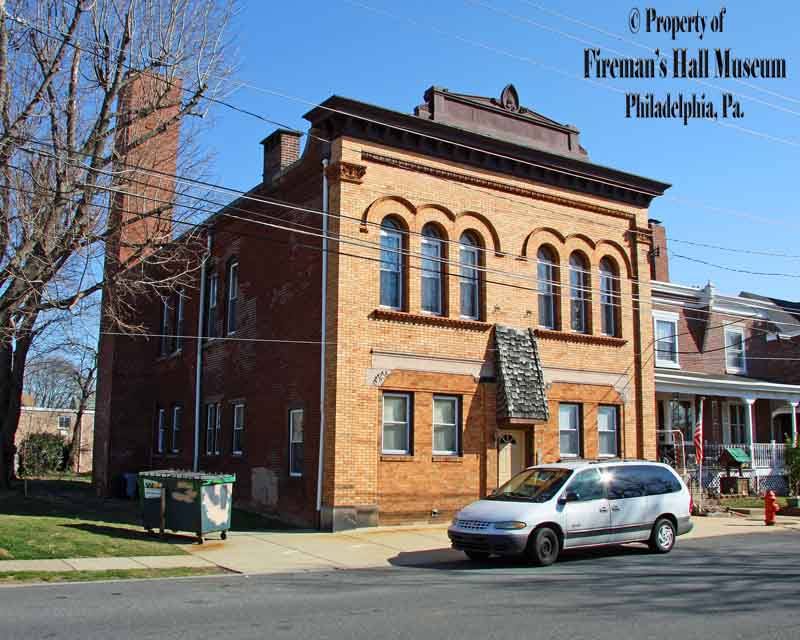
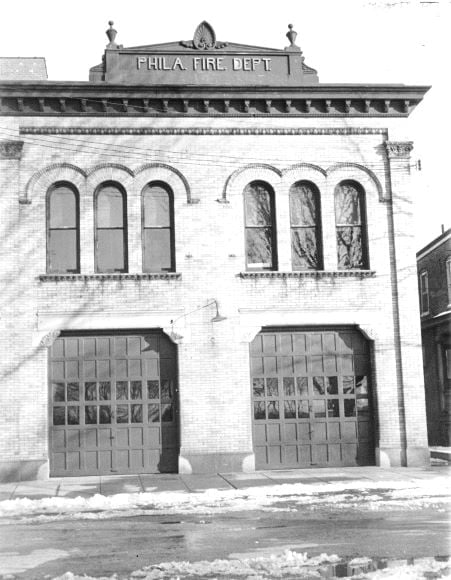


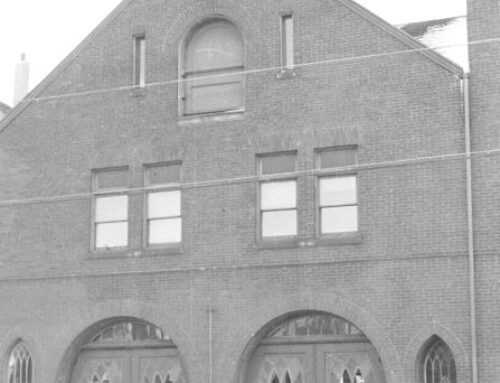
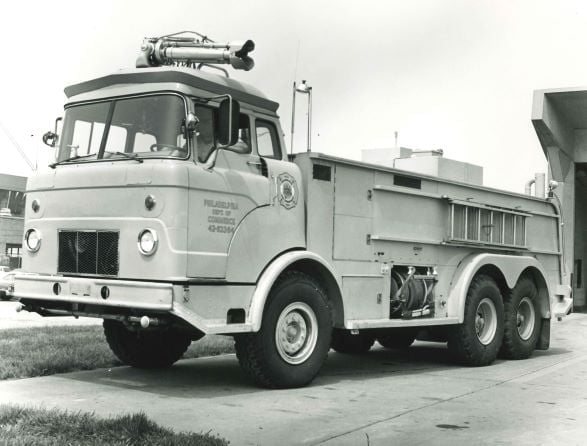
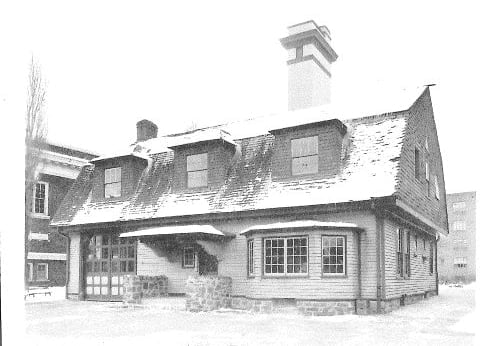
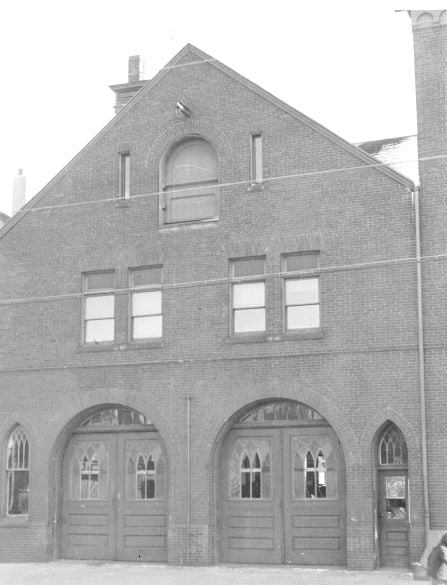


I lived in the Firehouse on Fillmore St in Fox chase for many years about 20 years ago. You can still see the out line of Phila. Fire Dept on the upper facade if the sun is shining on the building if you stand in the lot across the street. Also was told the stack on the back of house was not a smoke stack but a place to dry the hose? Not sure about that. But in the basement storage area looked like horse stables still.
Thanks for your comment. You were told correctly. The place to dry hose was known as the hose tower. Even the newer station into which they moved in 1950 had a hose tower. Today, hose is made of a material that does not need drying, so no newer stations have hose towers.
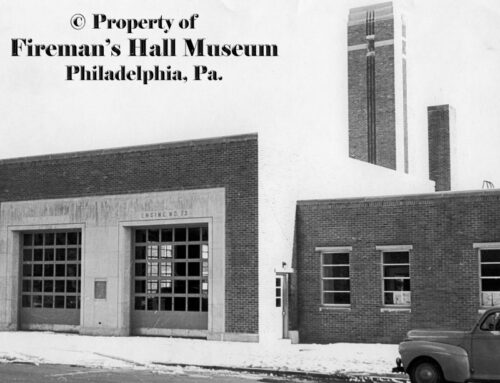
When Engine 56 moved from Fillmore St. into their new, 2 bay station on December 9, 1948, one of the 2 bays had Ladder 31 chiseled in the stone over the bay door. No ladder was housed in this station at the time. Perhaps, it was because this new station was not that far from Ladder 28 at Cottman & Loretto Aves. As the Great Northeast section of the city developed, ladder 34 was organized at Engine 62 at Bustleton Ave. & Bowler St. on October 29, 1956. And on April 7, 1964, Ladder 31 was placed in service along with Engine 22 at Comly & Academy Rds. covering the eastern half of the Far Northeast.
A little over 5 months after Engine 56 moved into its new station, the same situation happened with Engine 73’s new station in the West Oak Lane section. Ladder 30 was chiseled in stone over one of the bay doors with Ladder 30 never being housed in that station. See Engine 73’s post on this blog for the details.